Towbar Details:
Bumper Cut: No Trim
D Value (kN): 15.85
Maximum Vertical Load (Kg): 150
Estimated Assembly Time: <30 minutes
Flange Towbar Part Number: E2022AC
Jaw and Ball Towbar Part Number: E2022AG
Fixed Swan Neck Towbar Part Number: E2022AA


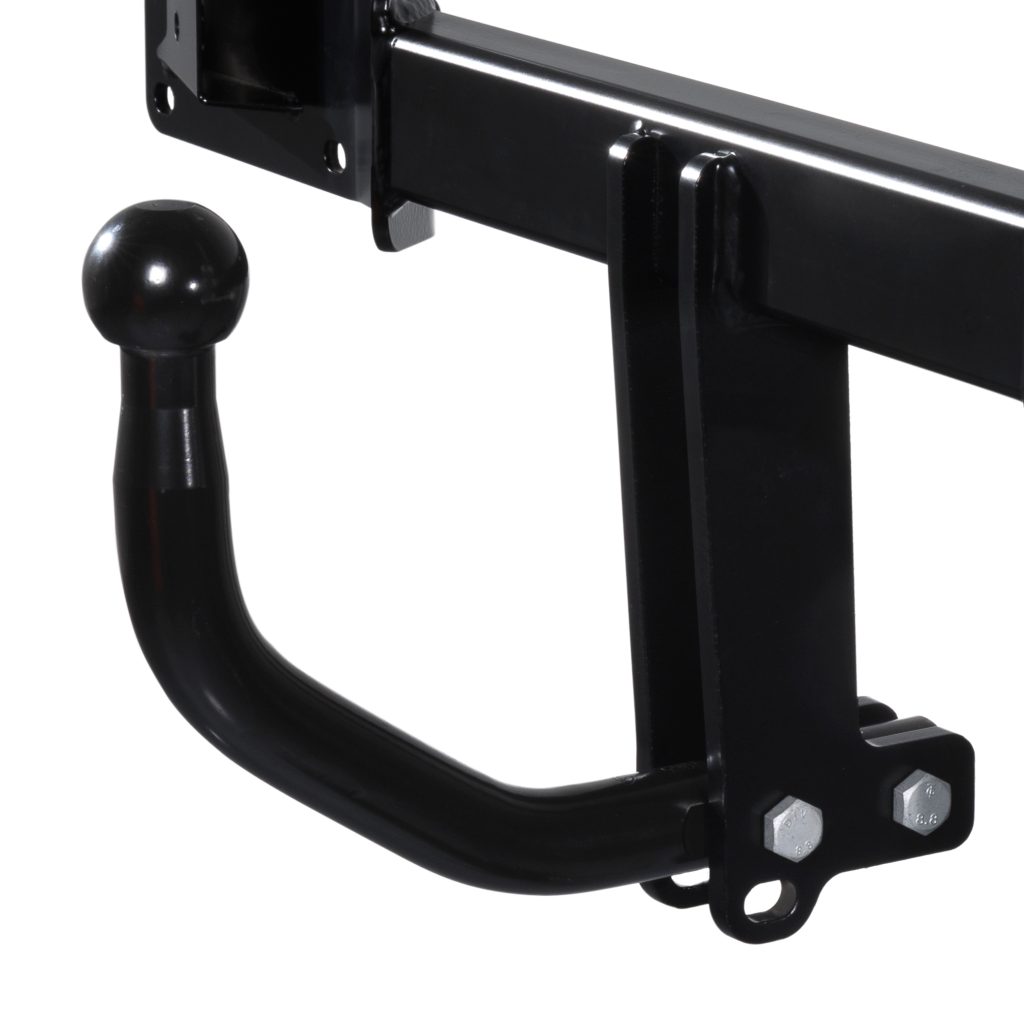




A horizontal detachable towbar is a type of trailer hitch where the towball assembly can be removed by sliding it in and out horizontally from behind the vehicle. When it's detached, the mounting mechanism is largely hidden, leaving the rear of the car looking much cleaner than with a fixed towbar.
How it works
Advantages
Disadvantages
Horizontal detachable vs. vertical detachable
| Horizontal detachable | Vertical detachable |
| Slides in from the rear | Inserts upwards from underneath |
| Small part of the receiver may remain visible | Usually almost completely invisible when removed |
| Generally easier to fit and remove | Slightly more concealed but can be a bit trickier to attach |
Is it as strong as a fixed towbar?
Yes. A properly approved horizontal detachable towbar has the same towing capacity and nose weight rating as the equivalent fixed towbar for your vehicle. The removable design does not make it weaker when correctly installed.
They're a popular choice if you tow only occasionally—such as a caravan, trailer, or bike rack—but want your car to look as original as possible the rest of the time.
A vertical detachable towbar is a removable towbar where the towball assembly is inserted upwards from underneath the vehicle rather than sliding in from behind. It's designed so that when the towball is removed, almost nothing is visible, making it the most discreet type of towbar.
How it works
Advantages
Disadvantages
Vertical detachable vs. horizontal detachable
| Vertical detachable | Horizontal detachable |
| Inserts upwards from underneath | Slides in horizontally from behind |
| Almost completely hidden when removed | Receiver may remain slightly visible |
| Premium, discreet appearance | Easier to see and access when fitting |
| Often slightly more expensive | Usually a little less expensive |
Is it as strong as a fixed towbar?
Yes. When fitted correctly, a vertical detachable towbar has the same approved towing capacity and nose weight as a fixed or horizontal detachable towbar designed for the same vehicle. The removable mechanism does not reduce its rated strength.
Which should you choose?
For most occasional users, both types perform equally well for towing. The main difference is how the towball is attached and how discreet the installation looks when the towbar is removed.
A jaw and ball towbar (also called a combination towbar or NATO towball and pin hitch) is a heavy-duty towing system that combines a 50 mm towball with a jaw (or pin) coupling. It's commonly used on commercial vehicles, pickups, 4x4s, agricultural vehicles, and military vehicles.
How it works
The towbar has two towing options built into one unit:
Advantages
Disadvantages
Common uses
Is it legal in the UK?
Yes. Jaw and ball combinations are legal in the UK when:
Jaw and ball vs. standard towball
| Standard 50 mm towball | Jaw and ball |
| Standard caravans and trailers | Standard trailers and ring-coupled trailers |
| Smaller and lighter | Larger, heavy-duty design |
| Common on cars and SUVs | Common on pickups, vans, and commercial vehicles |
| Not suitable for lunette-ring trailers | Suitable for both ball and ring couplings |
A jaw and ball towbar is the right choice if you need to tow a mix of conventional trailers and heavy-duty ring-coupled trailers, whereas a standard fixed or detachable 50 mm towball is sufficient for most cars towing caravans, small trailers, or bike racks.
Towbar Details:
Bumper Cut: No Trim
D Value (kN): 15.85
Maximum Vertical Load (Kg): 150
Estimated Assembly Time: <30 minutes
Flange Towbar Part Number: E2022AC
Jaw and Ball Towbar Part Number: E2022AG
Fixed Swan Neck Towbar Part Number: E2022AA
| Towbar Type | Fixed Flange, Jaw and Ball, Fixed Swan |
|---|


Reviews
There are no reviews yet.