

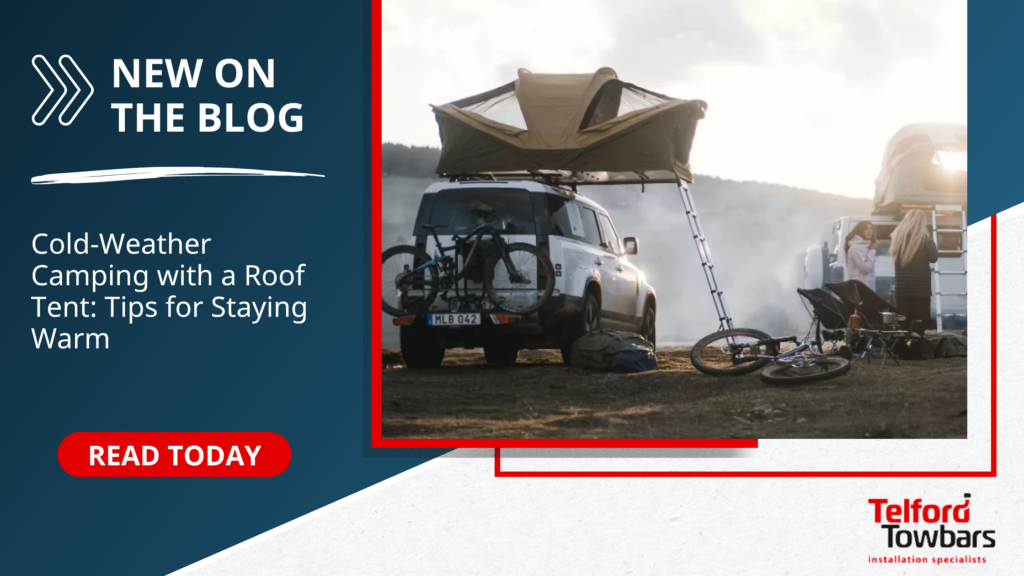
Camping doesn’t have to stop when the temperatures drop. With the right equipment and a little preparation, a roof tent can be a comfortable way to explore the UK’s countryside, even during the colder months.
Whether you’re planning a winter weekend away or extending your camping season into early spring, staying warm comes down to more than simply packing an extra blanket. From choosing suitable sleeping equipment to managing condensation, a few simple adjustments can make a big difference to your experience.
Here are seven tips to help you stay warm when camping with a roof tent in cold weather.
A good sleeping setup is essential when temperatures fall overnight. While roof tents lift you off the ground, they can still lose heat through the tent fabric, mattress and exposed surfaces.
Look for a sleeping bag rated for the temperatures you expect to encounter. A sleeping bag’s comfort rating is particularly useful when comparing options, as it indicates the conditions in which it is designed to keep you comfortable.
You can also improve insulation by using a suitable insulated mattress or thermal underlay beneath your bedding. Some roof tents offer dedicated insulation kits designed to fit the tent, helping to reduce heat loss and make the sleeping area more comfortable.
Before your trip, check the overnight forecast and choose equipment suitable for the coldest conditions you expect to face.
Extra warmth can make a real difference during cold-weather camping, particularly when temperatures drop overnight.
A heated sleeping mat designed for camping can provide additional warmth, while rechargeable hand warmers and hot water bottles used according to their instructions can help you feel more comfortable before bed.
If you’re considering a portable camping heater, safety must come first. Never use a fuel-burning heater, barbecue or camping stove inside a roof tent or other enclosed sleeping space. These devices can produce deadly carbon monoxide, and ventilation alone does not make their indoor use safe.
Instead, choose equipment specifically designed for your intended use and follow the manufacturer’s instructions. Electric heating products should also be suitable for the environment in which they’re used, with power supplies and connections kept dry and protected.
For overnight warmth, prioritise appropriate sleeping bags and insulation rather than relying on a heater.
What you wear to bed can have a significant impact on how warm you feel overnight. Rather than relying on one thick layer, choose several lightweight layers that help trap warm air close to your body.
Thermal base layers, warm socks and a suitable hat can help retain heat when temperatures fall. Choose breathable fabrics that manage moisture, as damp clothing can leave you feeling colder.
It’s also worth keeping a dry set of sleepwear specifically for bedtime. Changing out of clothing worn during the day helps prevent sweat and moisture from affecting your comfort overnight.
Pack an additional blanket or insulated quilt for particularly cold nights, and keep spare clothing somewhere dry and easy to reach.
When the temperature drops, condensation can quickly become an issue inside a roof tent. Moisture from breathing, damp clothing and wet equipment can collect on cooler surfaces, leaving bedding and fabrics feeling damp.
Although it might seem tempting to seal every opening to keep the warmth in, maintaining suitable ventilation helps moisture escape and reduces condensation.
Follow your roof tent manufacturer’s guidance on ventilation, even in cold weather. Avoid covering ventilation openings with bedding or equipment, and remove wet clothing from the sleeping area where possible.
In the morning, allow the tent to air out and dry before packing it away. This helps prevent dampness, unpleasant smells and potential mould from developing during storage.
Staying warm is much easier when your clothing, bedding and equipment remain dry. Rain, frost and condensation can all introduce moisture into your camping setup, so it’s worth planning how you’ll store your belongings.
Waterproof dry bags or sealed storage containers can help protect spare clothing, sleeping bags and essential equipment. Separate wet boots and outerwear from clean bedding, and keep items you’ll need during the night somewhere accessible.
It’s also important to dry your roof tent thoroughly after your trip, following the manufacturer’s instructions. Packing a damp tent away for an extended period can encourage mould and damage the fabric.
A little organisation can help keep your sleeping area comfortable and make packing up in cold weather much easier.
Where you pitch can influence how comfortable your camping experience feels. Strong winds can increase heat loss and make cold conditions feel more severe, particularly when you’re sleeping in an elevated roof tent.
When choosing a pitch, look for a suitable sheltered area that offers some protection from the wind without compromising safety. Avoid exposed ridgelines and locations where falling branches or other hazards could pose a risk.
Always follow campsite guidance and check the weather forecast before travelling. In severe weather, particularly strong winds, reconsider your plans and follow the roof tent manufacturer’s guidance on safe operating conditions.
Remember that your vehicle and roof tent must be parked on stable, suitable ground, with the tent securely deployed according to the manufacturer’s instructions.
The right accessories can make cold-weather camping more comfortable and help you get more from your roof tent throughout the year.
Depending on your tent model, useful additions may include:
Insulation kits: Designed for compatible roof tents to help reduce heat loss.
Thermal bedding: Sleeping bags and quilts suited to colder overnight temperatures.
Suitable awnings: Provide additional sheltered space for changing, storing equipment or keeping muddy footwear separate from your sleeping area, where conditions and the product design allow.
Weather-resistant storage: Helps keep clothing, bedding and essential equipment dry.
Ladder accessories: Some manufacturers offer accessories designed to improve comfort or grip when accessing the tent, although these should never compromise the ladder’s stability or safe use.
Before purchasing accessories, check compatibility with your specific roof tent and vehicle. Always follow the manufacturer’s instructions for installation, weight limits and use in adverse weather.
Cold-weather camping with a roof tent can be a rewarding way to explore the outdoors beyond the traditional summer season. With suitable insulation, warm bedding, dry clothing and careful campsite planning, you can make your setup more comfortable when temperatures fall.
The key is to prepare for the conditions you expect to encounter, keep moisture under control and prioritise safety when choosing heating equipment or camping in adverse weather.
At Telford Towbars, we can help you explore roof bars, towbars and compatible vehicle accessories to support your next adventure.
Planning your next camping trip? View our range of Roof Tents here – https://shop.telfordtowbars.co.uk/product-category/storage/rooftop-tents/
Get in touch with Telford Towbars to find out more about the accessories available for your vehicle – https://shop.telfordtowbars.co.uk/contact-us/